-
Date: Tuesday 24 February 2026
-
Time: 7.30pm to 9.00pm
-
Location: Zoom
-
Cost: £5
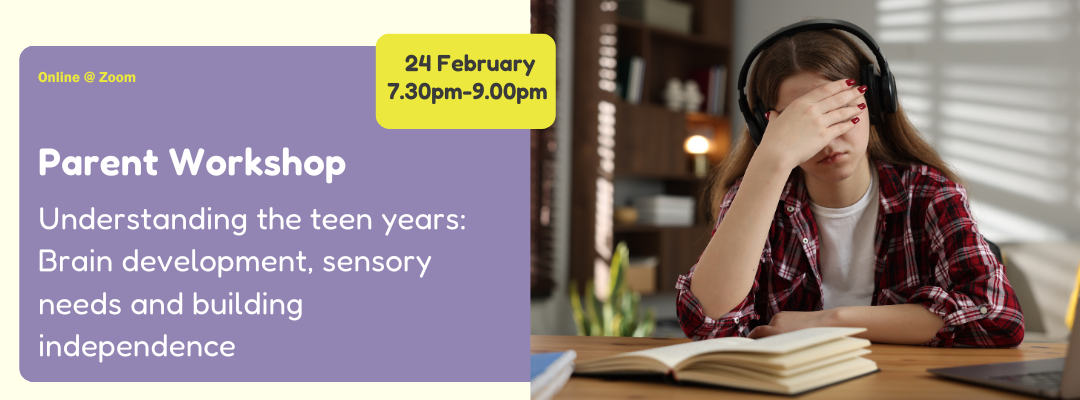
The teenage years can be challenging for both parents and young people, and having a child with a visual impairment can add further complexities. This session, delivered by Emily Harbrecht from The Brain Friends organisation, is designed to help parents and carers understand and support their child.
Adolescence brings significant physical, emotional, and neurological changes and this session is designed to help you understand what is happening during this stage of development and how you can adapt your parenting approach to best support your child. It aims to give parents a simple understanding of the teenage brain, how sight impairment affects sensory and emotional regulation, and practical ways to support independence, resilience and connection. This workshop is aimed at parents of children in the age 11-18 bracket, but we are happy to accept parents of children out of this age group if you feel the subject is relevant.
Workshop content
Emily will look at the connection between vision impairment and sensory overload, exploring how reduced vision changes the way teens take in the world. The session will also explore how teens navigate social worlds, with their visual needs, and the importance of strengthening connections at home during these times. Providing support when it is needed, while taking into consideration their need for space, independence and autonomy. Emily will also touch on sleep and sleep regulation.
To support the learning and for those who would like further guidance putting strategies into action at home, there is an optional printable workbook for you to use at home which covers:
- sensory load awareness
- sleep support
- independence planning
- emotional regulation tools
- connection activities
Parents will be invited to complete the Brain Friends Assessment before the session.
This gives you:
- insight into your child’s emotional profile
- simple language for the talk
- personalised areas you can focus on
- a starting point for independence and regulation planning
Using the Brain Friends model, parents will learn how their child’s brain changes in adolescence:
- stronger emotions
- faster overwhelm
- bigger need for belonging
- growing independence
- thinking skills still developing